USD
USD 
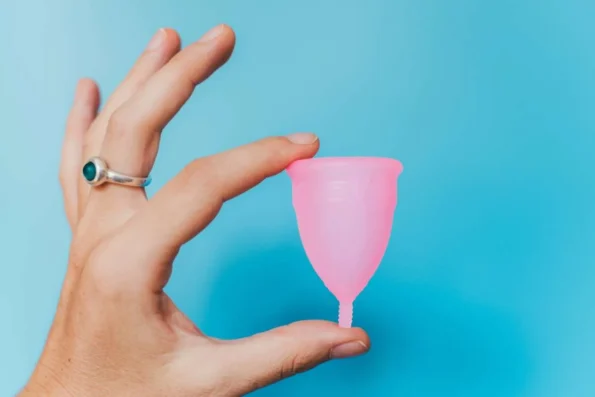
A menstrual cup is a flexible, reusable hygiene product used by women during their menstruation, usually made from medical-grade silicone, latex, or thermoplastic elastomer (TPE). It is inserted into the vagina to collect menstrual blood and serves as an alternative to tampons or pads. Menstrual cups are becoming increasingly popular due to their eco-friendly nature and long lifespan.
How to Use a Menstrual Cup?
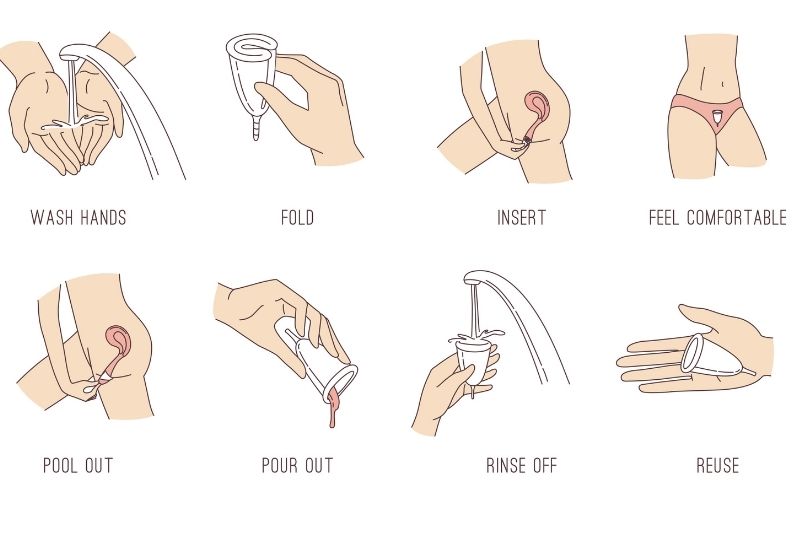
Wash your hands: Wash your hands thoroughly with soap and water before and after using the menstrual cup.
Fold the container: To easily insert the menstrual cup into the vagina, you need to fold it. There are different folding techniques, such as the C-fold or punch-down fold.
Place it: Insert the folded cup into the vagina. You should feel the cup unfold and that it is properly positioned. When correctly positioned, the cup should not cause any discomfort.
Check it out: Check the edges of the cup with your finger to make sure it's fully open. When properly opened, it collects menstrual blood without leaking.
How to Clean and Store a Menstrual Cup?
Unloading: You should empty the menstrual cup approximately every 4-12 hours, depending on the amount of bleeding. Wash your hands before removing the cup.
Cleaning: After emptying the menstrual cup, rinse it thoroughly with soap and water. At the end of your period, you can sterilize the cup by boiling it in hot water for a few minutes.
Storage: After drying your menstrual cup, store it in a breathable fabric bag or an open container. Storing it in sealed plastic bags or containers can lead to mold or bacterial growth.

Menstrual cups stand out as a hygienic, environmentally friendly, and economical menstruation product. When used correctly, they offer a comfortable and safe option. By paying attention to the usage instructions and cleaning rules, you can use them healthily for a long time.
The use of menstrual cups is recommended for many reasons. Here are some of the advantages offered by menstrual cups:
Economic
Long-Term Savings: Menstrual cups typically last 5-10 years. A one-time investment saves money in the long run compared to tampons and pads.
Environmentally Friendly
Reduced Waste: Unlike disposable hygiene products such as tampons and pads, menstrual cups are reusable. This significantly reduces the amount of waste that ends up in landfills.
Health and Hygiene
Low Risk of Toxic Shock Syndrome (TSS): The risk of TSS (Treatment-Related Syndrome) associated with tampon use is lower with menstrual cups. Menstrual cups are made from medical-grade silicone or latex, providing a less favorable environment for bacterial growth.
Chemical-Free: Menstrual cups do not contain perfumes, dyes, or other chemicals that may be found in tampons and pads. This reduces the risk of your skin and body being exposed to chemicals.
Comfort
Long-Term Protection: Menstrual cups can be used for 4-12 hours, depending on the amount of bleeding. This eliminates the need for frequent changes throughout the day and provides protection overnight.
Less Odor: Menstrual cups collect menstrual blood without allowing it to come into contact with air, which reduces odor.
Ease of Use
Suitable for Sports and Swimming: Menstrual cups are waterproof and can be used comfortably while exercising or swimming.
Travel Friendly: Their long lifespan and lack of need for frequent replacement offer a practical solution when traveling.
Less Leakage
Safe Seating: When properly inserted, menstrual cups minimize leakage and provide more reliable protection than tampons or pads.
Personal Awareness
Body Awareness: Using a menstrual cup allows women to become more knowledgeable about their own bodies. This can increase awareness of general health and hygiene.
Menstrual cups offer an economical, eco-friendly, healthy, and comfortable way to manage your menstrual cycle. Every woman has different needs and preferences, so it might be a good idea to try a menstrual cup and see if it's right for you. If you have any concerns about health or comfort, it's always best to consult a healthcare professional.
 Türkçe
 English