USD
USD 
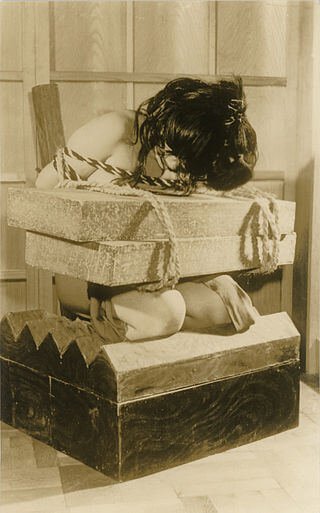
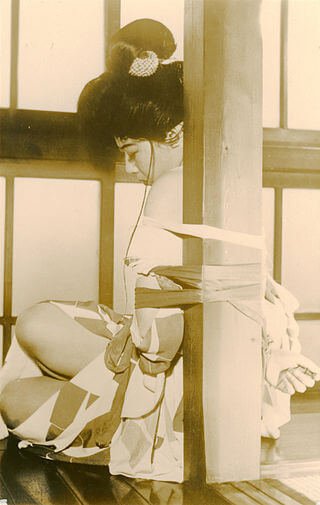
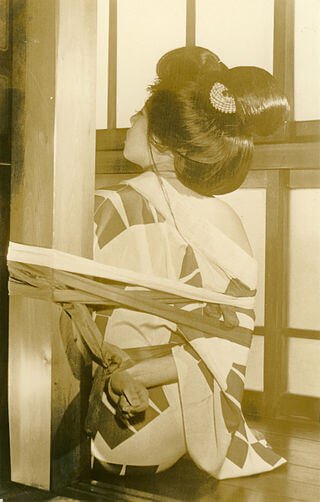
Drawing inspiration from torture, violence, theatre, and eroticism, the artist is famous for transforming Japanese rope bondage into an art form.
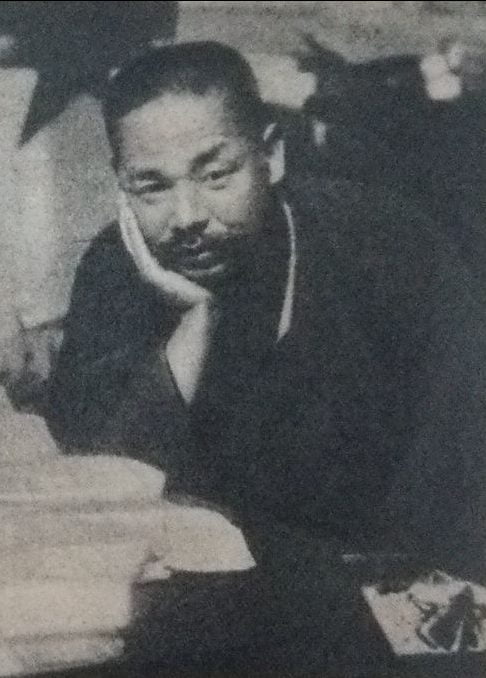
Born in Tokyo in 1882, Seiu Ito was one of Japan's most influential artists, known for his use of kinbaku, the art of erotic bondage. While often referred to as the "father of modern kinbaku," Seiu Ito was also a talented painter, photographer, metalworker, ivory carver, sculptor, and, from 1907 onwards, a newspaper illustrator and critic.
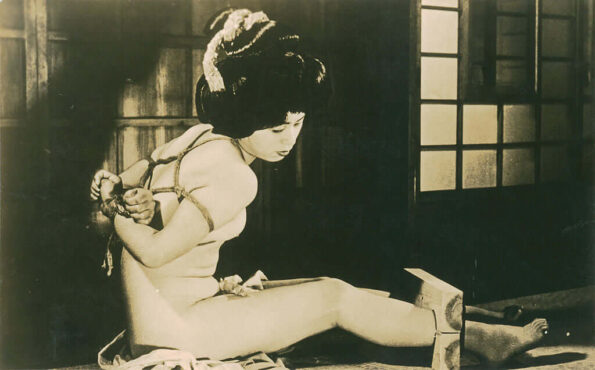
Kinbaku initially emerged as a derivative of Edo-era torture methods, evolving from hojojutsu. The practice of binding criminals and prisoners with ropes using complex speeds and techniques continued to be taught to law enforcement and law enforcement agencies to this day. However, it was Seiu Ito who transformed kinbaku into an erotic art form.
Captivity and Suspension
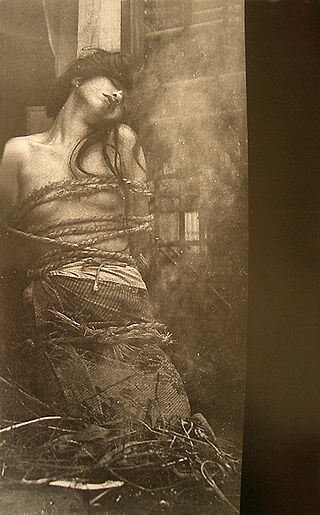
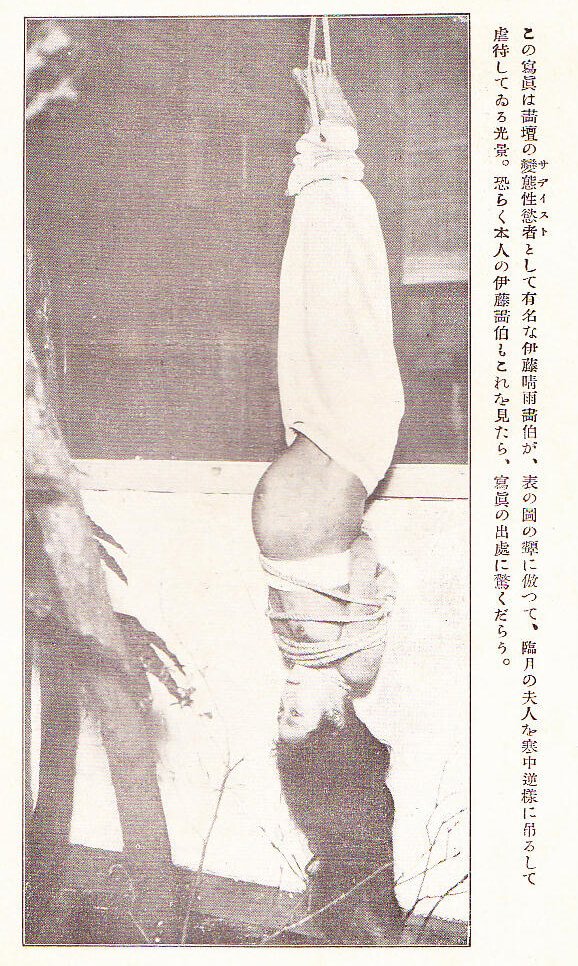
The artist regularly depicted women, often suspended, in his paintings and photographs. One of Seiu Ito's most famous photographs is Rinketsu Bijin Sakasa Tsuri no Shashin (Photograph of a Beautiful Woman Suspended Upside Down in the Last Month of Her Pregnancy), showing his second wife, Kise Sahara, pregnant and hanging by her feet. The artist began using suspension techniques with Kise Sahara in 1920.
Seiu Ito is said to have also drawn inspiration from torture scenes in traditional theatre. His first book was published in 1928. Seme no Kenkyu – It was titled "Torture Research," and in 1953 he founded his own theatre group, Seme no Gekidan (Torture Theatre Group).
In the 1930s, Seiu Ito's work was widely censored by the authorities. However, in 1960, a year before his death, it was officially recognized by the Japanese Artists Association. His life was adapted to the big screen by director Noboru Tanaka in the 1977 film Beauty's Exotic Dance: Torture.
Seiu Ito's book Seme no Kenkyu (1928) was published by Shinchosha, but today only collector's editions exist and no new editions are being printed.
 Türkçe
 English