USD
USD 
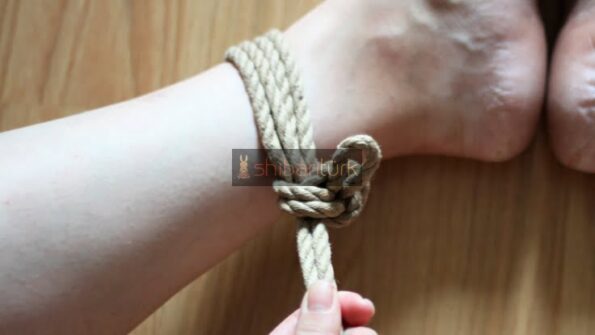
[vc_row][vc_column][vc_column_text]Bağların çoğunluğu tek bir kolon bağı ile başlar, genellikle bedene ilk atılan düğüm türüdür. Tek kolon düğümü, bağlandığı noktayı sabitlemek, sıkışmasını önlemek için kullanılan bir nevi güvenlik noktası gibidir. Hızlı ve basit olması gereği ile en çok kullanılan düğüm türleridir. Düğüm, bacak, gövde, bir yatak direği, bilek vs. gibi bir noktaya konulabilir.
This knot, which can be used with different types of techniques and has very ancient origins, has many variations and different forms that can be used depending on the scene and context. The term Single Column is an umbrella term given to all knots and structural elements used to connect a single column. Today, Single Column is almost synonymous with its original form, the "Yuki Knot / Boola-Boola," and many riggers think of this knot when single column is mentioned. However, Yuki is only one of the single column knots and the oldest one. In single column knots, knots such as the Square Knot (本結び Honmusubi) and the Granny Knot (縦結び Tatemusubi) are also used.
This knot is suitable for tying off parts of the body where blood vessels and nerves are relatively shallow. Make sure to wrap the area you are tying several times to create a flat and smooth surface, and leave a gap between the bandages and the body to allow blood flow.
Yukarıda da belirtildiği gibi, yaygın olarak görülen üç farklı tek kolon düğümü vardır. Yuki düğümü nispeten daha pratik ve basittir, ancak yeni başlayanlar için uygulanacak uygun kuvvet miktarını kavraması daha zor olabilir. Kare düğüm tek kolon bağları (square knot single column ties) daha fazla basamağa sahiptir, ancak düğümü sağlamlaştırmak daha kolaydır. Carrick bend (花 聯結 – Somerville Bowline) tek kolon bağları, daha fazla sıkılığa sahip olma avantajına sahiptir, ancak ip sargısının göreceli olarak sıkı olması gereken durumlarda kullanılması zordur.[/vc_column_text][vc_column_text]
Yuki Single Column
Boola-Boola, Yuki gibi isimlerle de anılan ve tek kolan bağlarının en yalın hali olan bu düğüm, shibaride en çok kullanılan düğümlerdendir. Hızlı ve pratik olması sebebi ile oldukça fazla kullanılır. Bowline kadar güzenli ve statik olmasa bile bight kısmından geçirilen stranding ends ile güçlendirilir ve bu da suspension sırasında ek bir güvenlik noktası sağlar.[/vc_column_text][vc_media_grid grid_id=”vc_gid:1565712710633-25956d9d-af48-2″ include=”1030,1031,1032,1033,1037,1035″][vc_column_text]
Square Knot – Single Column
The square knot, also known as the reef knot or “hon-musubi (本結び)” in Japanese, is used not only for tying ropes but also in many decorations. If you wrap the rope around the bight from the reverse side, you create a Granny knot (縦結び Tatemusubi).
The square knot, a single-column knot, can be quickly untied and completed after many practices. However, it is important to tighten it using appropriate force to prevent the knot from slipping. Its stiffness also depends on the rope you use and the friction force. (Steps 1-6)
Son aşamada atacağınız ekstra düğüm(7-8-9. adımlar.), kare düğümü daha sağlam yapar ve daha güvenli hale getirir. Aşağıdaki örnek buna göre yapılmıştır.[/vc_column_text][vc_media_grid grid_id=”vc_gid:1565712710634-02be577c-102f-8″ include=”1095,1096,1097,1098,1099,1100,1101,1102,1103″][vc_video link=”https://www.youtube.com/watch?v=ZGxCwk2rvBs” align=”center”][vc_column_text]
Somerville Bowline
This knot is attributed to and often associated with Topologist because it was developed by him. However, Esinem claims that this knot originates from traditional Japanese knots and is called a "fence knot" or "otoko musibi (男結び)". Regardless of its origin, it has become a popular choice due to its compact structure and reliability.
In 2010, Topologist redesigned and modified the Portuguese-style and French-style bowline knots. The knot was named the Somerville bowline. Later, Wykd Dave and others determined that the knot was actually the long-standing “Carrick bend.” Therefore, we will occasionally use this name on our site as well.
The Somerville bowline knot can be used with any type of rope. It's a very strong, static knot capable of withstanding tension in any direction. It's also safe in many scenarios (especially on the ground/floor) due to its ease of untying and tightening.
Bu düğümün dezavantajı, özellikle askıya alma (suspension) sırasında üzerine binen basınçla, sıkışarak çözülmesinin zor hale gelmesidir. Acil durumlarda, kesme cihazınızı, yanınızda bulundurmanızı tavsiye ederiz.[/vc_column_text][vc_media_grid grid_id=”vc_gid:1565712710635-e15f24aa-5441-7″ include=”1019,1020,1021,1022,1023,1024″][vc_column_text]
Burlington Bowline
Somerville Bowline ile yapısı aynı görünmesine rağmen single colum kökenli bir bowline düğümüdür. Aşağıdaki örneği inceleyebilirsiniz.[/vc_column_text][vc_media_grid grid_id=”vc_gid:1565712710636-d0ffaeab-ddd9-3″ include=”1106,1107,1108,1109,1110,1111″][vc_column_text]
French Bowline (Fast Bowline)
Düğümün videosunu aşağıdan izleyebilirsiniz. Video kalitesi ilerleyen zamanlarda düzeltilecek.[/vc_column_text][vc_video link=”https://youtu.be/eg6aIviAIZk” align=”center”][vc_column_text]
Tips for Practicing
- Practice knots with your eyes closed.
- Make 3, 4, or 5 wraps, tie knots, and see the differences.
- Try tying it in different places, like a chair leg, stick, bamboo, etc.
- Try to clasp your left (non-dominant) hand with your other hand.
- Use what you've learned to explain and demonstrate knot tying to someone else.
[/vc_column_text][vc_column_text]
Resources and References
- Topologist tutorial
- Lochai Stine tutorial (YouTube video)
- Cannon tutorial (YouTube video)
- Lunatic Bound Method 1, Method 2 (Vimeo video)
- The Dutch tutorial (picture step by step)
- M0co tutorial (YouTube video)
Credit: Somerville bowline by Topologist
Sources Used in the Article
- ropestudy.com
- http://rope365.com
- https://crash-restraint.com
- Essence Of Shibari (Book)
- http://wykd.com/
- EpicRope
- https://kinbakualba.com
[/vc_column_text][/vc_column][/vc_row]
 Türkçe
 English