USD
USD  (TRY ₺)


BDSM hakkında okudunuz ya da medyada gördünüz ama hiç gerçekten denediniz mi? BDSM (İngilizce’de “bondage and discipline, dominance and submission, sadism and masochism” yani bağlama ve disiplin, tahakküm ve itaat, sadizm ve mazoşizm’in kısaltması), eğlenceli olduğu kadar heyecan verici bir cinsellik biçimidir. Öyle ki denedikten sonra neden daha önce yapmadığınızı sorgulamanız muhtemeldir! Elbette herkes için uygun değildir; ama birçok insan BDSM’e ilgi duyuyor, sadece nereden başlayacağını bilemiyor. Endişelenmeyin, çünkü yeni başlayanlar için en iyi BDSM önerileri burada.
BDSM can seem a little intimidating, especially when you think of the most extreme activities. But one of the great things about BDSM is that it's completely customizable. Try something to see what works. If you don't like it, don't do it again. But if you do like it, incorporate it into your sex routine. Since there are so many types of BDSM, it's highly likely you'll like at least one. However, for beginners, it's best to start with the ones that are most suitable for them.
What is BDSM Suitable for Beginners?
What makes a good BDSM activity for beginners? It should be easy to understand and relatively safe. It's not recommended to start with fire or knives. For example, a blindfold that can be easily added during intercourse can be a great starting point to increase excitement. If you're not experienced with tying knots, rope tying might not be the right choice for beginners either.
Furthermore, you don't need to immediately go to a sex toy store and spend money on expensive leather goods to start practicing BDSM. Of course, some brands produce amazing equipment, but you might be disappointed if you realize, for example, that you don't enjoy the pain of a whip. Instead, it's possible to explore BDSM by thinking creatively. Even some items you already have at home can come in handy:
- A spatula or spoon can be used as a paddle.
- A scarf, tie, or eye mask is suitable for tying the eyes (but these items are not safe for tying!).
- Clothespins can be gently applied to the nipples or clitoris.
- Knee-high boots give you a sexy look. dominatrix’can convert to 'e'
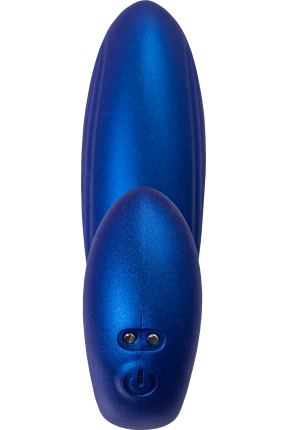
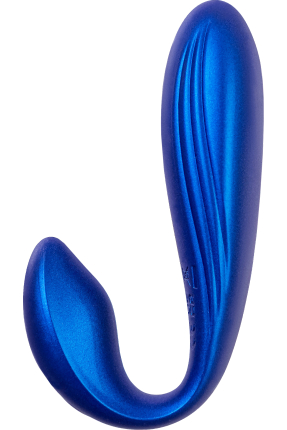
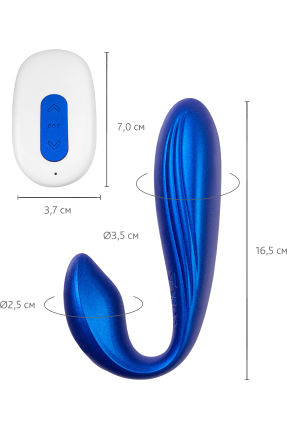
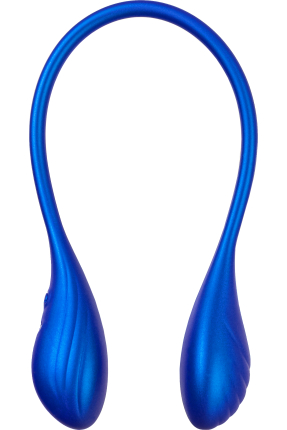
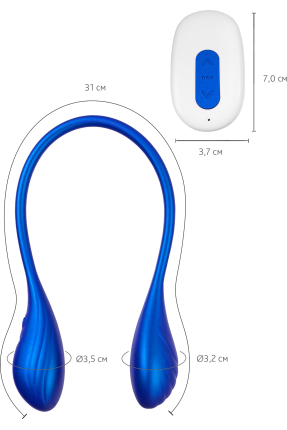
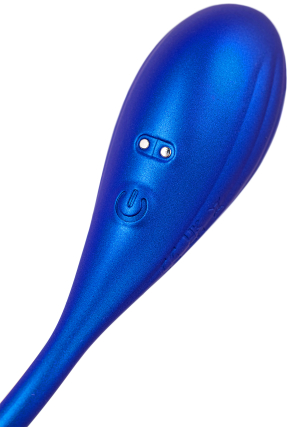
- With a vibrator egg, you can inflict torture-like pleasure on your partner.
- You can create a sudden stimulation on your partner's skin with ice.
So before we even start collecting sex toys, let's talk about safety.
BDSM and Safety for Beginners
When it comes to BDSM, safety is paramount. You shouldn't engage in BDSM with someone you don't trust physically or emotionally. So, pulling out a whip during a one-night stand might not be a wise idea. Furthermore, engaging in BDSM with someone who might put you in a difficult situation is dangerous.
Even with a partner you trust, it's wise to take some precautions. BDSM can be both physically and psychologically traumatic. While it's unlikely you'll experience serious injury or death on your first attempts, caution is still necessary. The BDSM community is so aware of this that they even have two different abbreviations related to safety:
As you can see, both are based on consent, and it's not recommended to try BDSM after consuming alcohol.
One of the fundamental safety elements of BDSM is... safe word. You can say this word when you feel uncomfortable or want to slow down. Generally, you say this word as “bottom”"Even though the obeying party says it,", dominant It is perfectly natural for a party to use this when they don't feel safe.
One commonly used system is the traffic light system:
- Green: Everything is fine, we can continue.
- Yellow: Slow down or reduce the intensity, but don't stop completely.
- Red: Stop immediately, end the scene, or take an intermission.
The safe word you choose should be short and easy to remember. Avoid words that can be used for role-playing, such as "stop" or "no." You should choose a clear word that allows you to express your true boundaries.
If someone is unable to speak (for example, if they have a mouth gag), a bell or something that can be left behind can be used instead. ball available.
Other safety precautions include ensuring restraints are not too tight or that they do not restrict blood flow if the person struggles. Therefore, restraints made from slippery fabrics like silk scarves or ties are not recommended. Neoprene cuffs or Velcro restraints are quite sufficient for beginners and can be easily cut with medical scissors if necessary.
Start slowly.
Let's say you want to try blindfolding and whipping. Try them sequentially, not at the same time. Use the whip without the blindfold in the first session. Add the blindfold the next time. Also, trying more than one fantasy at the same time can be confusing. If you're experiencing submission for the first time, it's always better to keep the scenario simple.
When whipping or using any other means of force, never strike areas containing internal organs. The buttocks and the backs of the thighs are fleshy areas and therefore both safe and sensitive. However, striking the back is dangerous as it can damage the kidneys. If you are going to use a long-tailed whip or lashing whip, it is recommended to practice on a pillow first. The tail can cause serious pain and injury if it strikes unwanted areas.
BDSM Ideas for Beginners
BDSM consists of four main elements: bondage and discipline, dominance and submission, sadism, and masochism. You don't have to practice all of them. You can choose whichever appeals to you. For example, spanking is a fairly simple and safe form of discipline. All you need is your hand and a willing partner. This can turn into a game of submission within a "naughty" scenario, or it can simply be done because it feels good.
Now let's look at each topic individually.
Bondage & Discipline
Connecting It is the physical restraint of a person. Lightweight handcuffs are ideal for beginners. While plush handcuffs may seem appealing, they are generally not as comfortable as neoprene or leather handcuffs. With "under-bed restraint" systems, which involve tying someone up under the bed, the bedroom can quickly transform into a BDSM scene.
Blindfolds are also part of restraint. Mouth gags similarly prevent a partner from speaking. Small silicone mouth gags are recommended for beginners. Brands like Tantus produce jaw-friendly, pacifier-shaped gags. Additionally, models with holes are suitable for those concerned about breathing.
Discipline This part includes physical or psychological punishment. The following are suggested as starting points:
- Slapping with the hand
- Using a multi-tailed, plush or suede whip
- Light strokes with a single-tailed whip
- Plush paddleboard
- Delaying or completely preventing orgasm (edging)
- Restricting your partner's access to your body.
- To bite or gently pinch
Because you know your partner so well, you know best what type of discipline is appropriate. When applied correctly, these kinds of games can be quite stimulating.
Dominance & Submission
Some people may only want to focus on the aspects of dominance and obedience. This dynamic can occur without the need for physical restraint or whipping. For example, your partner might order you to stay in a position without physically tying you up. You do this simply to please them. In this case, the control is with your partner, but you are voluntarily in that role.
If you imagine yourself as your lover's pet, this might indicate that this D/s dynamic is right for you.
Sadism and Masochism
Some people might think that even BDSM is too painful for beginners. Why would you want to inflict pain on someone you love? But the pain we're talking about here is "good pain." Not bad pains like being slapped or falling. We're referring to stimulating pains like being spanked, lightly scratched, or bitten. And each action can be performed at different intensities, from low to high.
Sadist The other party derives pleasure from watching their partner "suffer" from this stimulus. This can sometimes be as simple as preventing touching, blocking orgasm, or watching without permission. Sadistic pleasure can be generated even without physical contact.
At the end of a BDSM scene, a relaxing drink, a little cuddling, and perhaps a lotion to apply to sensitive skin, can tie the experience to a healthy and loving conclusion.
If BDSM holds a place in your fantasies, starting a conversation with your partner is a good first step. Even low-intensity BDSM is still BDSM. There's a "taste" for everyone in this world. By introducing a slow, conscious, and consensual approach, you too can begin your own journey of discovery.



 Türkçe
 English